
Intrauterine Insemination (IUI)
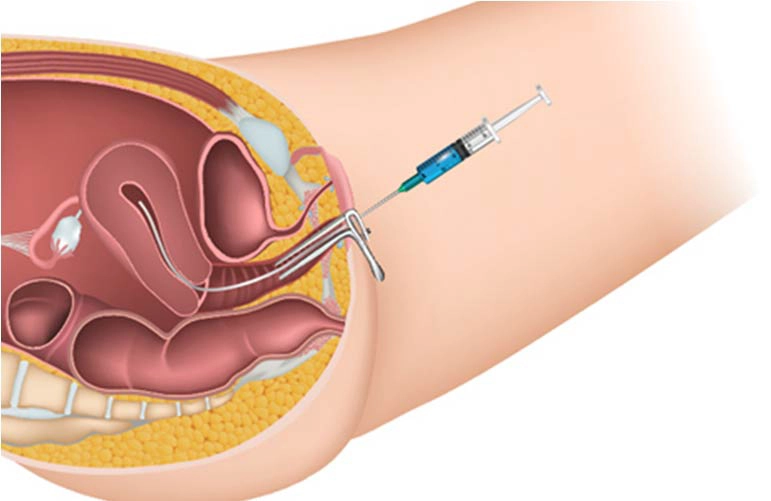
IUI places a prepared sperm sample inside the uterus near ovulation, allowing fertilization to take place within the body.
Who may be considered for IUI?
Suitability depends on the reason for treatment, ovulation, tubal health and sperm quality. IUI is unlikely to help when both fallopian tubes are blocked or there are severe sperm-related problems. A consultation and appropriate investigations help determine the next step.
The IUI process
The cycle is monitored to identify an appropriate time. A sperm sample is prepared in the laboratory and introduced into the uterus through a thin catheter. Some cycles involve fertility medicines, while others follow natural ovulation.
Risks and expectations
When medicines stimulate several follicles, the chance of multiple pregnancy increases. Monitoring helps the team decide whether it is appropriate to proceed. Pregnancy is not guaranteed, and more than one cycle may be considered. Ask when to test and when to review the plan.
This information supports a discussion with your doctor. Suitability, availability and any referral arrangements should be confirmed with the hospital. Outcomes vary with individual circumstances.
Further reading: Intrauterine Insemination (IUI) patient information
All infertility services