
Intracytoplasmic Sperm Injection (ICSI)
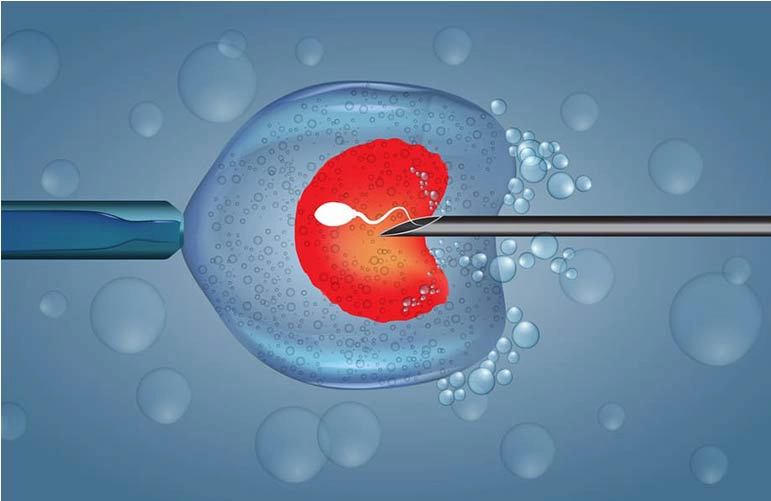
ICSI is an IVF laboratory technique in which an embryologist injects a single sperm directly into a mature egg.
How ICSI differs from IVF
In conventional IVF, eggs are placed with sperm for fertilization. With ICSI, a single sperm is selected and injected into the egg. Egg collection, embryo development and transfer still form part of the wider IVF process.
When ICSI may be discussed
It may be considered for a low sperm count, poor sperm movement, surgically retrieved sperm or previous fertilization difficulties. ICSI may also be used with previously frozen eggs. The reason for choosing it should be explained before treatment.
Limitations and risks
ICSI does not ensure that every egg will fertilize or that pregnancy will occur. An egg can be damaged during injection. Where sperm-related infertility may have a genetic cause, further assessment or counseling may be advised. Discuss the benefits, risks and alternatives with the specialist.
This information supports a discussion with your doctor. Suitability, availability and any referral arrangements should be confirmed with the hospital. Outcomes vary with individual circumstances.
Further reading: Intracytoplasmic Sperm Injection (ICSI) patient information
All infertility services