
Hysterosalpingography (HSG)
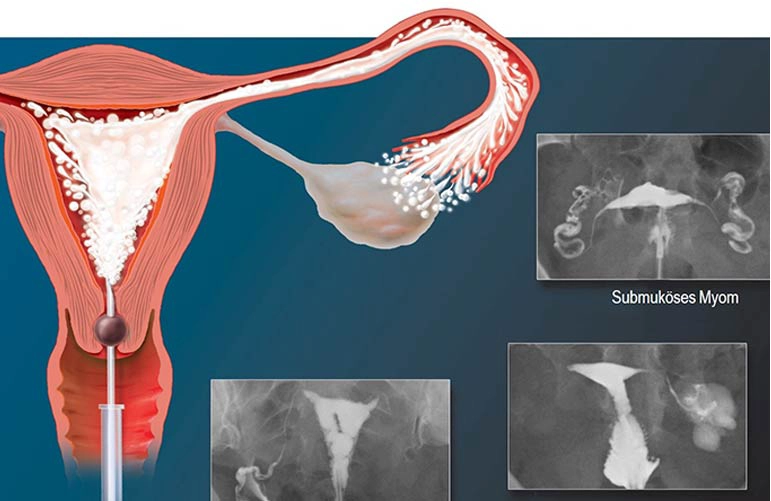
HSG is an X-ray examination that uses contrast dye to assess the uterine cavity and whether the fallopian tubes are open.
Why HSG may be recommended
The fallopian tubes provide a pathway for an egg and sperm to meet. Your doctor may recommend HSG when investigating difficulty conceiving, particularly when information about the tubes or the shape of the uterine cavity is needed.
What happens during the test
A small tube is passed through the cervix and contrast is introduced while X-ray images are taken. The examination is generally scheduled after a period and before ovulation. Tell the team about possible pregnancy, infections or previous reactions to contrast before the test.
After the examination
Temporary cramping or light spotting may occur. Follow the aftercare advice you receive, and contact the treating team for fever, worsening pain or heavy bleeding. HSG does not assess every cause of infertility; results may need further investigation before a treatment decision.
This information supports a discussion with your doctor. Suitability, availability and any referral arrangements should be confirmed with the hospital. Outcomes vary with individual circumstances.
Further reading: Hysterosalpingography (HSG) patient information
All infertility services