
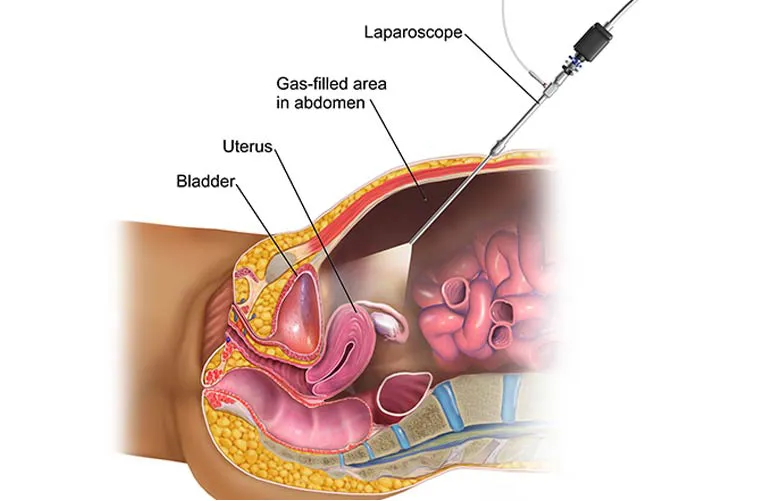
Diagnostic Laparoscopy
A diagnostic laparoscopy uses a camera through small abdominal incisions to examine organs inside the abdomen or pelvis.
Why it is considered
It may help investigate selected cases of pelvic pain or suspected disease when examination and imaging do not provide enough information. It is not a routine requirement for every fertility assessment.
Before the procedure
Discuss alternatives, anesthesia, medicines and the possibility of treatment during the examination. Your surgeon will explain what is planned and obtain consent.
Recovery and risks
Recovery varies with the procedure performed. Risks include bleeding, infection and injury to nearby organs, and an open operation may occasionally be needed. Follow the discharge advice and report worsening symptoms.
This information supports a discussion with your doctor. Suitability, availability and any specialist referral should be confirmed with the hospital. Individual care plans and outcomes vary.
All laparoscopy topics